Bridge Games Techniques for More Accurate Card Reading
19 July 2026 | 42
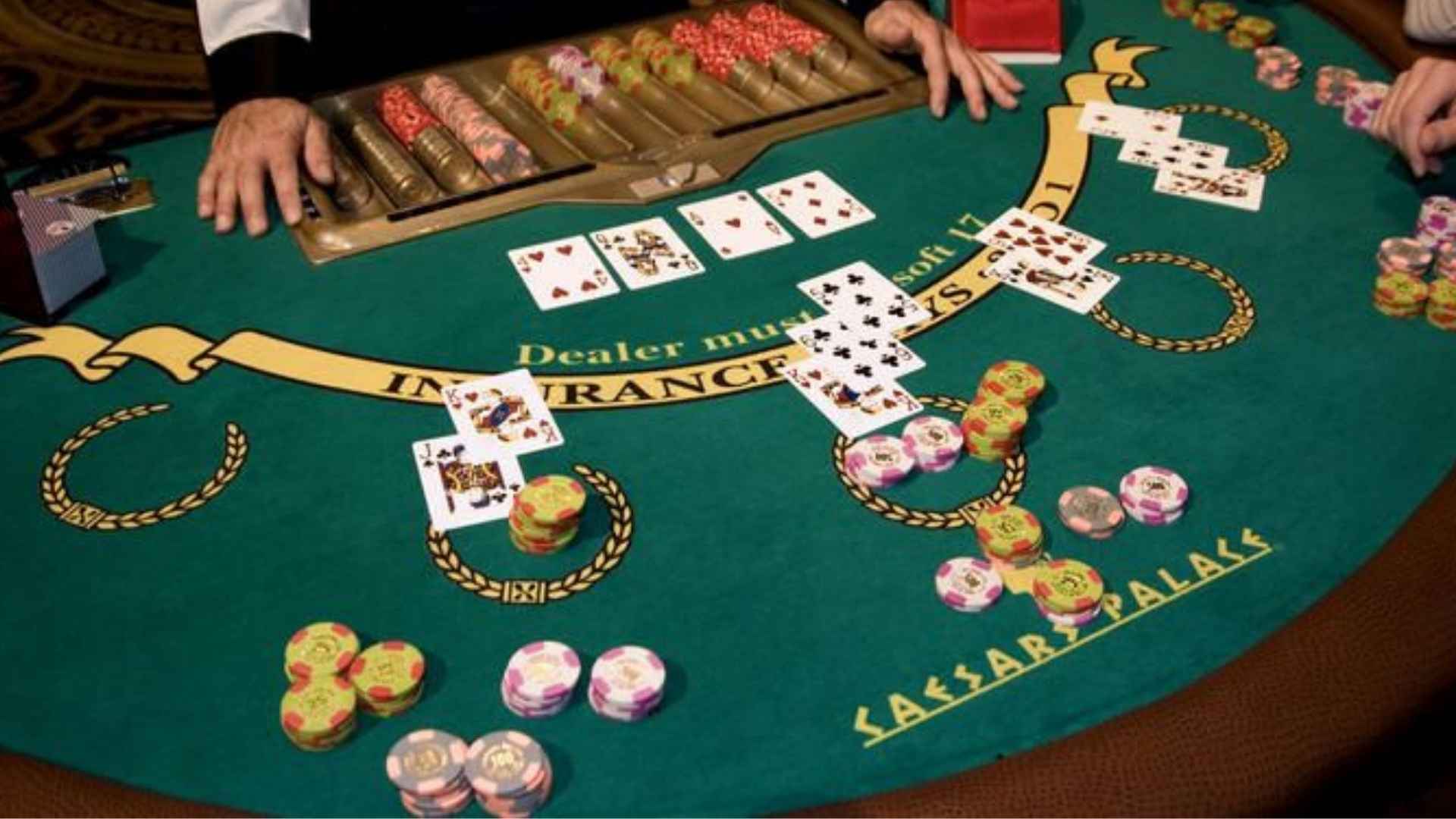
Mastering contract bridge requires far more than simply memorizing basic rules and executing standard bidding conventions. To truly excel at the table, a player must develop the ability to reconstruct hidden hands through logical deduction and careful observation. Accurate card reading is the ultimate skill that separates casual players from seasoned experts who consistently anticipate their opponents' moves.
The Power of Bidding Reconstruction
The process of accurate card reading begins long before the first trick is played on the table. By carefully reconstructing the auction phase, you can establish a highly reliable framework for the distribution of high cards and suit lengths. Every bid made, as well as every pass, offers invaluable clues about the strength and shape of each player's hand.
For individuals looking to sharpen their strategic thinking and mathematical skills in competitive environments, finding reliable resources like m88 login terbaru can offer excellent mental training opportunities. Integrating these calculated insights into your daily sessions will gradually make your defensive planning much more precise. Always combine the bidding history with the opening lead to narrow down the possible card distributions.
Tracking the Dissipation of Cards
As the play of the hand progresses, keeping an active count of each suit becomes your most powerful asset. Experienced players do not try to memorize every single card but instead focus on tracking key honors and outstanding cards in critical suits. By subtracting the cards you see in your own hand and the dummy, you can calculate what remains in the shadows.
This systematic tracking allows you to predict which opponent is likely to hold a critical queen or guard a long side suit. Knowing the exact layout of the remaining cards prevents you from falling into common defensive traps set by clever declarers. Consistent visualization of the hidden hands is the key to executing successful finesses and endplays.
Interpreting Card Placement and Tempo
Observing the specific card played by an opponent, as well as the tempo of their play, can reveal their underlying strategic intentions. Players often hesitate when faced with difficult choices, which inadvertently signals the presence of specific honor combinations. Paying close attention to these subtle physical and tactical cues will dramatically increase your reading accuracy.
For example, when a defender plays a high card and then switches suits, it often indicates a specific short-suit holding or a desire to secure a quick ruff. Interpreting these defensive signals correctly allows the declarer to adjust their plan before making a costly mistake. Over time, practicing these observation techniques will help you read the table with effortless precision.